
Clean & Minimal AI Powered Fitness Routines
Download App25-Minute Thoracic Spine Mobility
Intermediate thoracic mobility session to improve rotation, extension, and posture in ~25 minutes.
25-Minute Thoracic Spine Mobility
Intermediate thoracic mobility session to improve rotation, extension, and posture in ~25 minutes.
Warm-Up
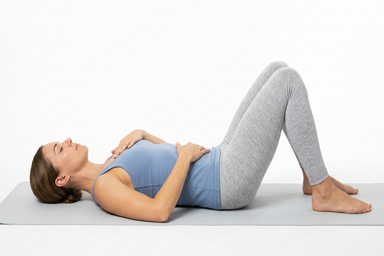
Prepare ribcage and spine for thoracic rotation/extension work. Breath and gentle motion to start.
Circuit A
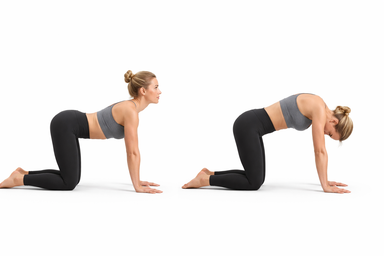
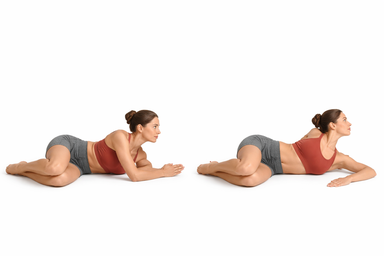
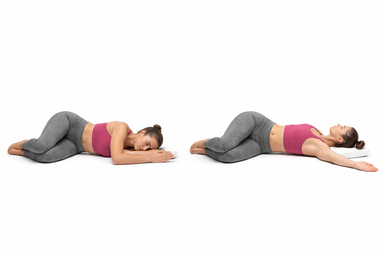
Move slowly; exhale into the rotation/hold.

Circuit B
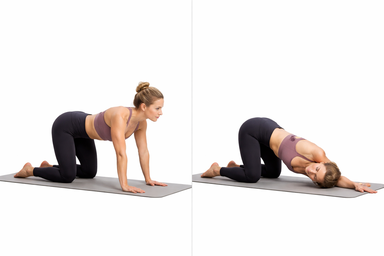
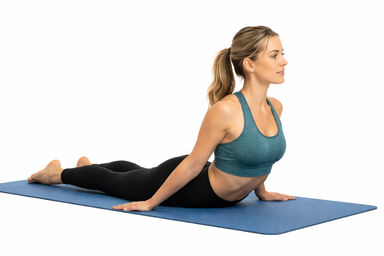
Keep hips stacked and stable; let the mid-back do the work.
Cool-Down
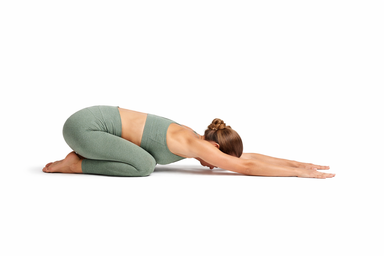
Downshift breathing and finish with gentle thoracic side-bending/lat opening. Decompress and integrate the work.

Segmental Mobility Before Global Movement
Thread the Needle and Quadruped Thoracic Rotation isolate T4-T8 rotation under scapular load, targeting the multifidus and rotatores without lumbar compensation. Open Book and Side-Lying Windmill then add glenohumeral dissociation, training your body to move the thorax independently from the shoulder girdle.

Why the T-Spine Becomes Your Limiting Factor
The thoracic spine carries 12 vertebral segments designed for rotation yet stiffens fastest under desk posture, overhead demand, and breath-holding under load. Chronic extension restriction here forces the cervical spine and lumbar joints to compensate, creating the cascade of tightness and pain most intermediate movers already recognize in themselves.

Breath as the Entry Point to Tissue Change
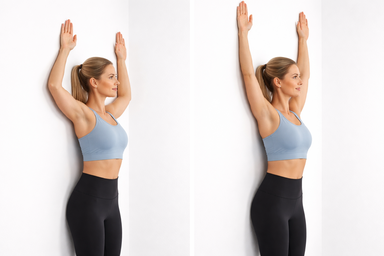
Diaphragmatic Breathing opens the session deliberately — intra-thoracic pressure directly influences rib cage mobility, and without it, Cat-Cow and Prone Cobra become surface-level stretches. Wall Angels at the close act as a neuromuscular reset, using serratus anterior and lower trapezius to lock in the range you've earned. Reduce Wall Angel range of motion if your lower back arches off the wall